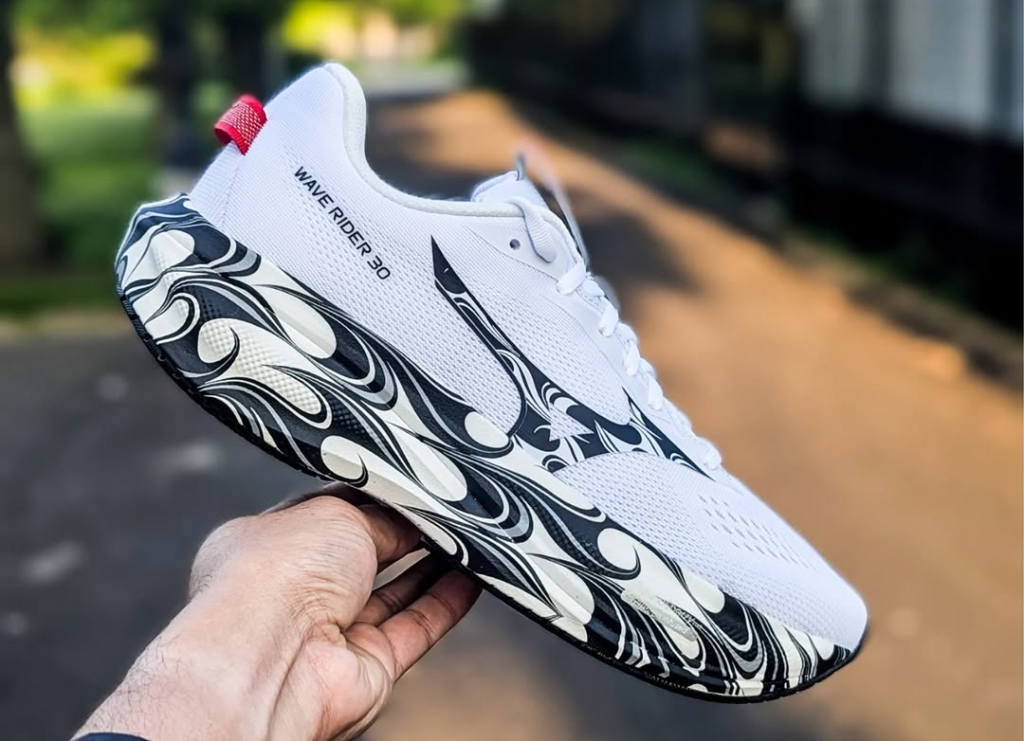
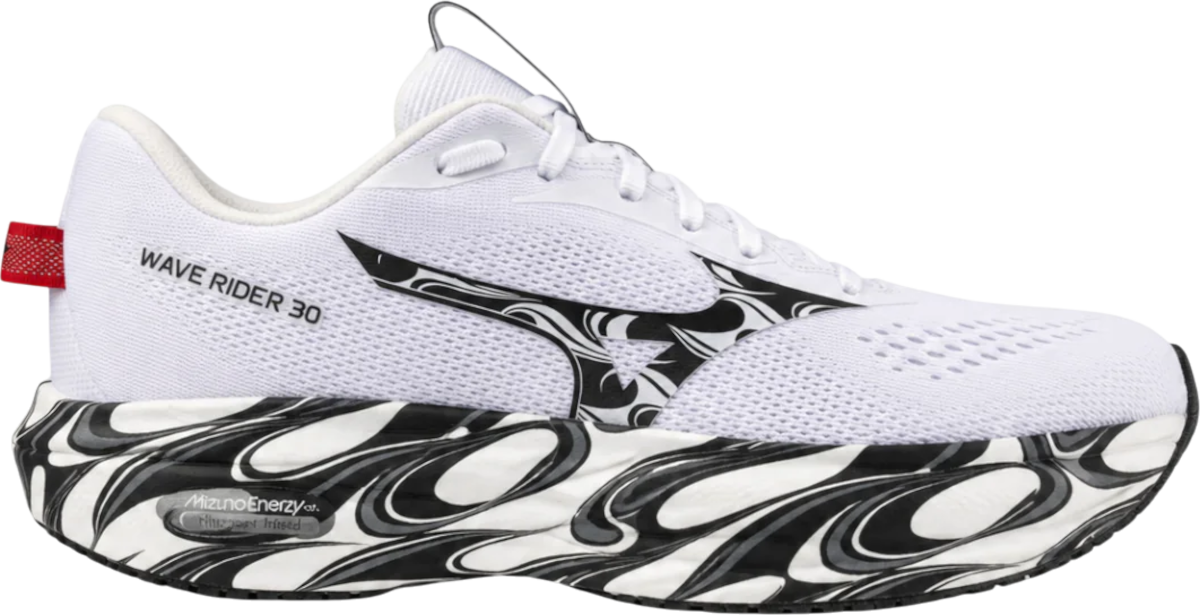
mizuno wave rider 30

Mizuno Wave Rider 30 Review


How did I fall in love with Mizuno? The answer to this is Wave Rider Series. To be precised, it was their 27th version that made me fall in love with Mizuno. This is one of the longest-running shoe series in the running world, and now we are at version number 30.

That itself is a big milestone.

But the real question is this: What’s new in this version? Is this just another upgrade or is it a thoughtful upgrade?

I have taken the Mizuno Wave Rider 30 for around 25+ kilometers of running, and in this video I am going to break down everything you need to know.

We will talk about the Wave Rider series, what has changed from the Wave Rider 29, the new upper, the dual-layer midsole, the full-length Wave Plate, outsole, fit, ride feel, who should buy this shoe, and finally, whether I think it is worth the Canadian MSRP of $195.99.

So let’s get into it.

What Is The Mizuno Wave Rider Series?


The Wave Rider series has always been Mizuno’s classic neutral daily trainer.

This is the kind of shoe that is made for everyday running. Easy runs, daily mileage, long runs, and for many runners, even marathon training.

And now, with the Wave Rider 30, Mizuno has made some pretty important changes. Some of them are visible, and some of them you only really feel once you start running in the shoe.
8.5 TOTAL SCORE
0 Out of 5

Based on 0 Users

Mizuno Wave Rider 30
Comfort 9
Fit 9
Value for price 7.5
PROS
  • More protection, same weight
  • Highly breathable engineered mesh
  • Wider midfoot for stability
CONS
  • Expensive for daily trainer
  • Not a bouncy super-foam
Bottomline

The Mizuno Wave Rider 30 is a durable neutral daily trainer built for daily runs, recovery runs, and long road sessions. It packs maximum underfoot protection into a highly breathable engineered mesh upper, making it a stable and secure choice for medium to high arch runners.
Thank you for taking part in our survey
0 (0)

What’s New In The Mizuno Wave Rider 30?

mizuno wave rider 30


Let’s talk about the biggest upgrades compared to the Wave Rider 29.

There are five major changes.

First, the midsole is now dual-layered. Mizuno is using Enerzy NXT, which is nitrogen-infused, above the Wave Plate, and Enerzy EVA underneath.

Second, the overall platform is wider. The midfoot is 14 mm wider, and the heel area is 4 mm wider compared to the Wave Rider 29. The 29 had a more sculpted-out midfoot, while the Wave Rider 30 is more filled in through the middle.

Third, Mizuno has moved from a partial Wave Plate to a full-length Wave Plate. And this new plate material is lighter than the older style plate used on the Wave Rider 29 and previous versions.

Fourth, the upper has upgraded from a jacquard mesh upper to a new lightweight engineered mesh upper.

And fifth, the drop has changed from 10 mm to 8 mm. But here is the interesting part: even though the drop is lower, the overall stack height has gone up. Mizuno has added 4 mm in the heel and 6 mm in the forefoot.

So, more cushioning, lower drop, wider base, full-length plate, new upper, and the overall weight is still the same.

Upper

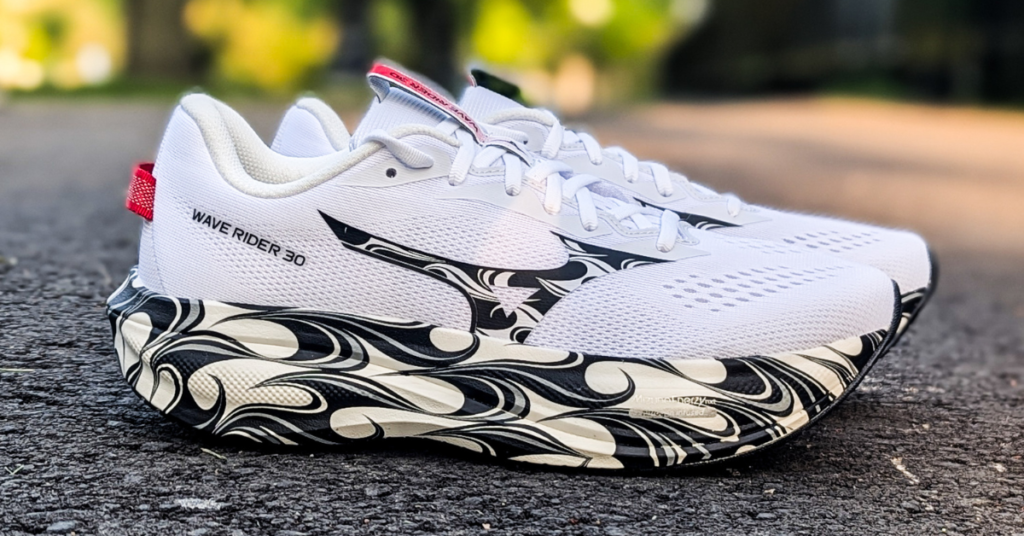
mizuno wave rider 30

Let’s start with the upper.

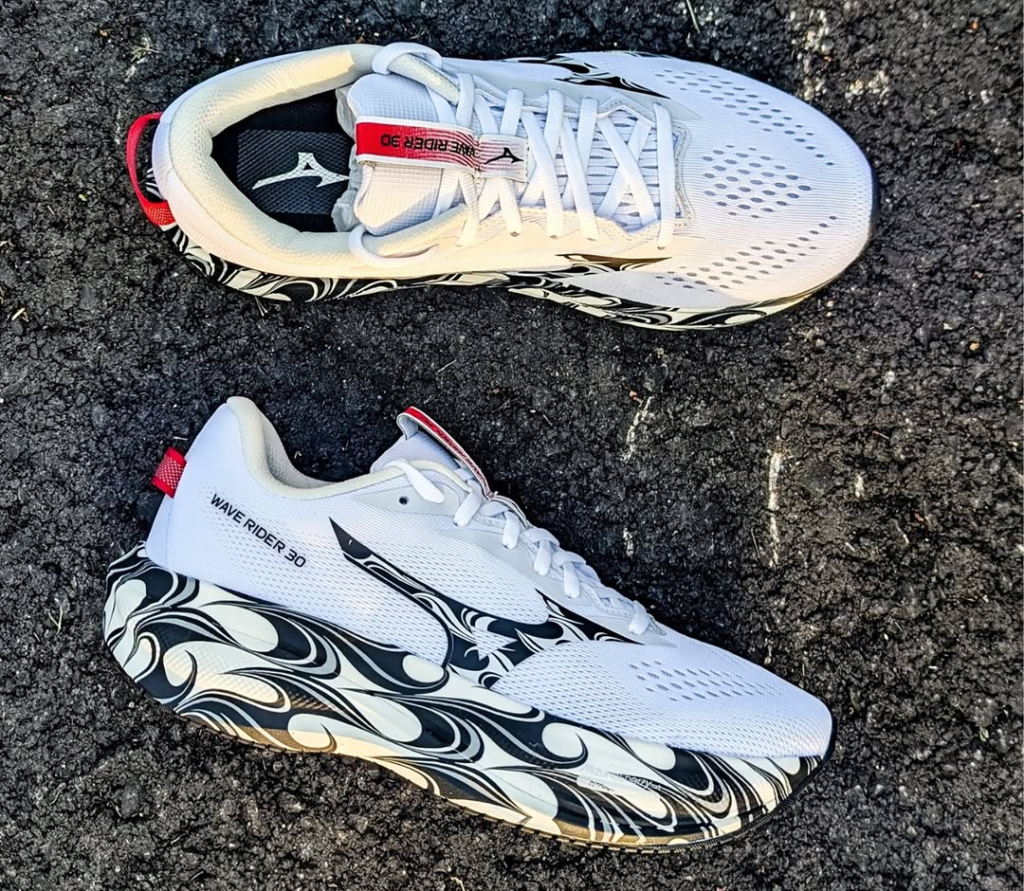
The Wave Rider 30 now uses a lightweight engineered mesh upper. Compared to the jacquard mesh used on the Wave Rider 29, this feels lighter, cleaner, and more breathable.

The Wave Rider 29 upper was comfortable, but it had a slightly heavier and more structured feel. The new engineered mesh on the Wave Rider 30 feels more modern.

During my run, I felt the upper did a good job of holding the foot without feeling too bulky.

The toe box feels comfortable enough for daily training. I would not call it extremely wide, but it does not feel narrow either. For most runners with normal-width feet, this should work well.

The midfoot lockdown is solid. Once you lace it properly, the shoe holds the foot securely. I did not feel like my foot was sliding around, which is important because this shoe now has more stack and a slightly wider platform.

The tongue and heel padding are also in line with what you expect from a daily trainer. Comfortable, secure, and practical.

So, compared to the 29, the Wave Rider 30 upper feels like a clear upgrade. It is lighter, more breathable, and better suited to the more modern ride.

Midsole

mizuno wave rider 30

Now let’s talk about the biggest change: the midsole. The Mizuno Wave Rider 30 uses a dual-layer midsole setup. On top of the Wave Plate, you get Enerzy NXT, which is nitrogen-infused. Underneath the plate, Mizuno uses Enerzy EVA.

This setup is important because it changes the feel of the shoe.

The top layer gives you a softer and more energetic underfoot feel, while the bottom layer keeps the shoe stable and controlled.

The added stack height also makes a difference. Compared to the Wave Rider 29, Mizuno has added 4 mm in the heel and 6 mm in the forefoot. So even though the drop has come down from 10 mm to 8 mm, you are actually getting more foam underfoot.

If you felt the Wave Rider 29 was good but wanted a little more cushioning under the forefoot, the Wave Rider 30 answers that.

The foam is not super soft like some max-cushion shoes, and it is not aggressively bouncy like a plated race shoe. It sits in a nice middle zone.

Outsole

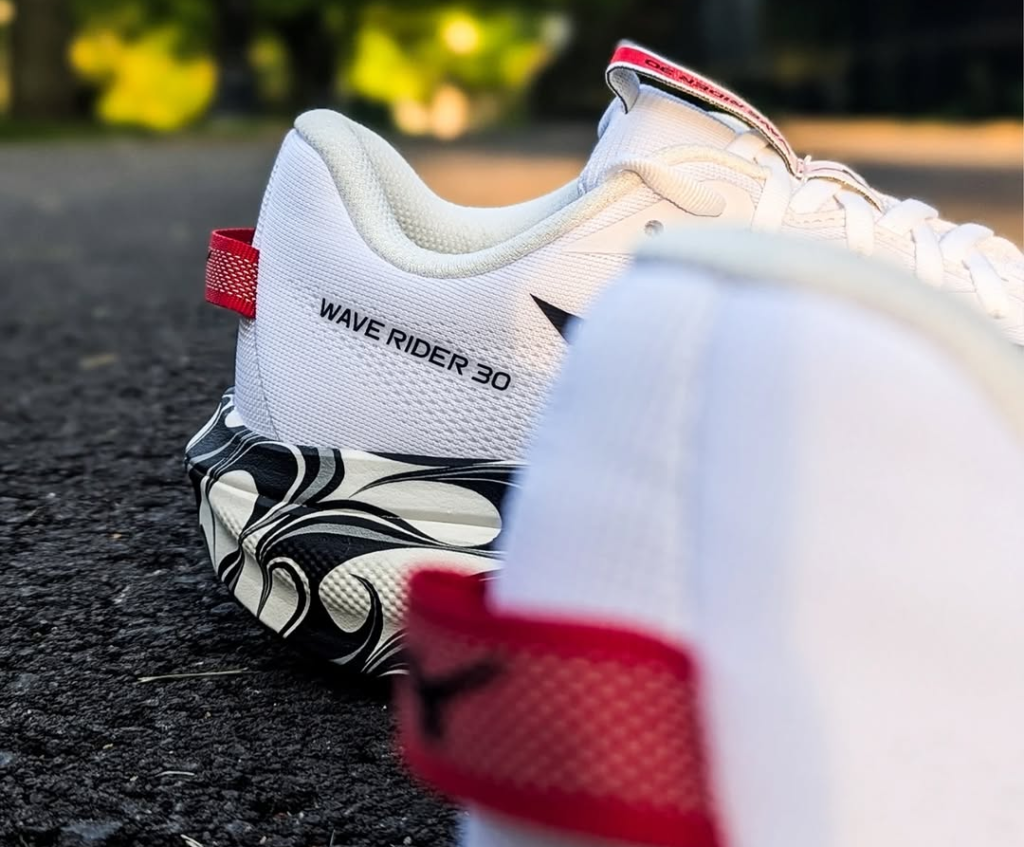
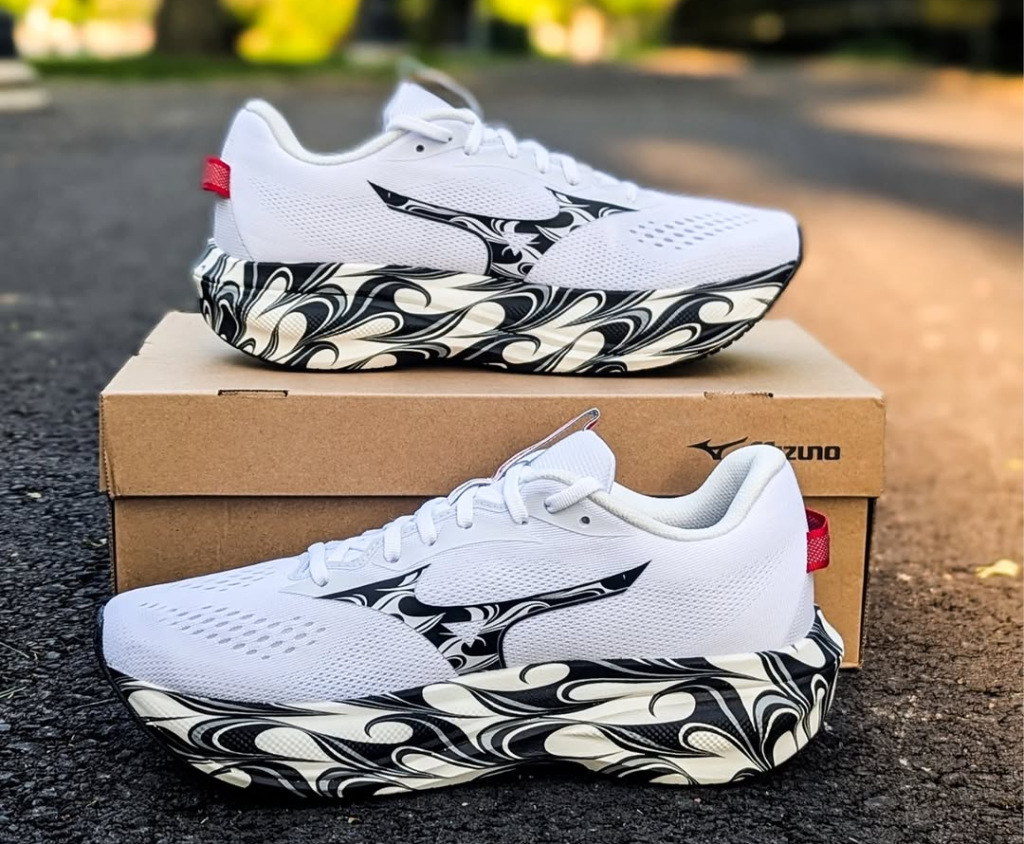
Close-up of a white Wave Rider 30 running shoe with a red heel tab resting on dark pavement; blurred green background offers outdoor lighting.

The outsole on the Wave Rider 30 feels built for durability, which is something Mizuno usually does well.

You get good rubber coverage in the key impact areas, and based on my first 20 km, I do not see any worrying signs of early wear.

Grip has been solid on regular road surfaces. On dry pavement, sidewalks, and general daily training routes, the outsole performs exactly how you would expect from a dependable road daily trainer.

The outsole also works well with the full-length Wave Plate and wider base. The shoe gives you a planted feeling when landing, and the transition feels controlled.

If durability is one of your priorities, I think the Wave Rider 30 should continue the Wave Rider tradition of being a dependable workhorse.

Fit


In terms of fit, the Wave Rider 30 feels like a secure daily trainer fit. The upper holds the foot well, the heel lockdown is good, and the midfoot feels secure without being overly tight. The toe box should work for most runners with normal-width feet. It is not extremely roomy, so if you have a very wide foot, I would suggest trying it on first or checking if a wide option is available in your market. The heel counter feels stable, and I did not experience heel slipping during my runs. Overall, the fit is comfortable, secure, and practical.

Ride Experience

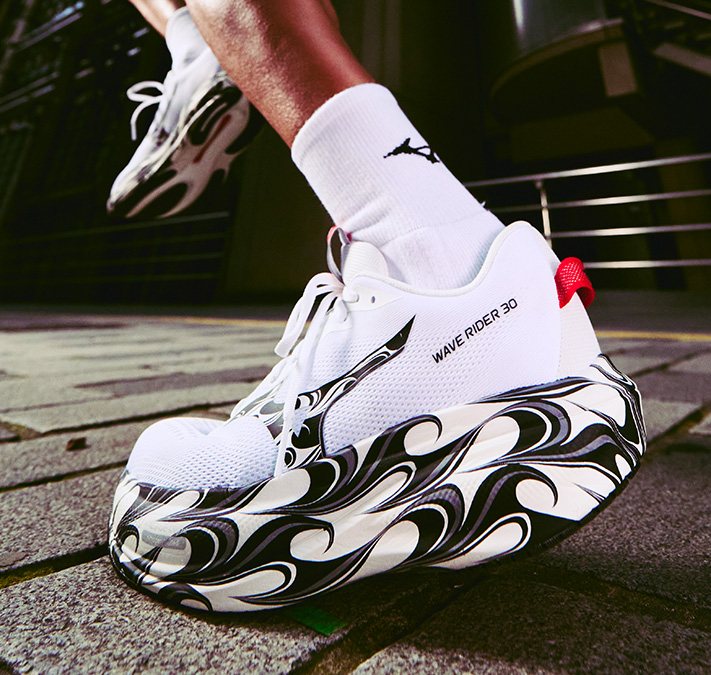
RUNNING IN MIZUNO Wave Rider 30

I would describe the ride as smooth, stable, cushioned, and controlled. This is not a super soft shoe or a speed-focused plated trainer. Instead, the Wave Rider 30 gives you a very balanced ride.

The first thing I noticed is the smoother transition. The full-length Wave Plate helps the shoe roll more naturally from landing to toe-off. It does not feel aggressive, but it does feel guided.

The second thing I noticed is the added cushioning. The extra stack, especially in the forefoot, makes the shoe feel more protective than the Wave Rider 29. On longer efforts, that extra cushioning matters.

The third thing is stability. The wider platform gives the shoe a more confident feel. Even though there is more foam underfoot, the shoe does not feel wobbly.

At an easy pace, the shoe feels comfortable and reliable. At a moderate pace, it has enough response to keep moving. Perfect for daily runs, steady runs, and long runs.

The ride is best for runners who want a shoe that feels dependable every day. You can put it on, go for a run, and not think too much about it.

Verdict


I think this is one of the most meaningful updates to the Wave Rider series in recent years. Mizuno has not completely changed what the Wave Rider is. It is still a neutral daily trainer. It is still stable, reliable, and practical.

But with version 30, the shoe feels more modern. You get more cushioning, a lower 8 mm drop, a wider and more stable platform, a full-length Wave Plate, and a lighter engineered mesh upper. The best part is that Mizuno has added all of this while keeping the overall weight the same.

My impression is that the Wave Rider 30 is a strong daily trainer for a wide range of runners. It works for easy runs, daily training, longer runs, and general mileage.

Leave a Comment

Your email address will not be published. Required fields are marked *