

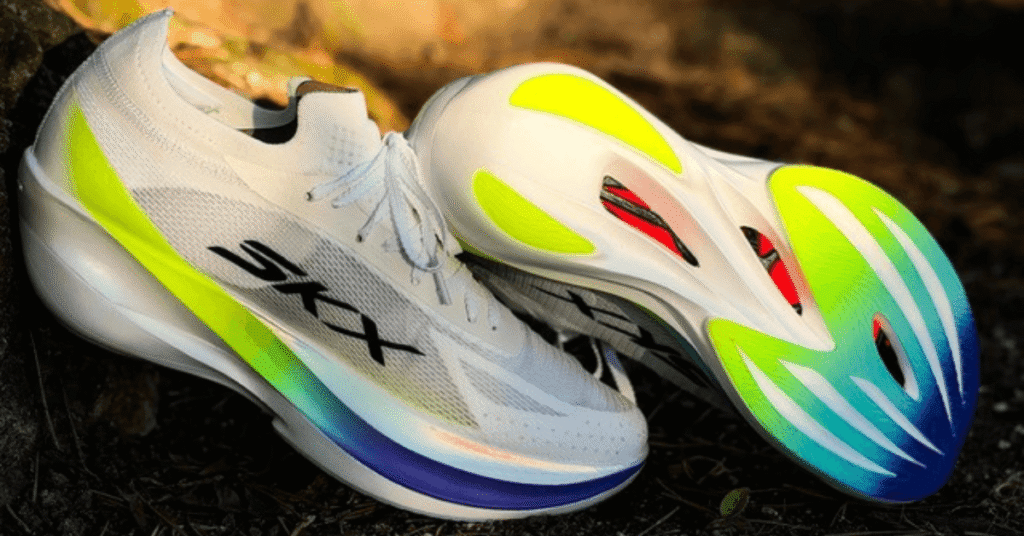
The Skechers Aero Elite makes a strong first impression on paper. A claimed weight of 167g, 40mm of cushioning under the heel and a $225 US price give it plenty of appeal as a race shoe. But what interested me most during testing was how comfortably it moved between interval pace and sustained marathon efforts.
Some racing shoes take a little figuring out. You spend the first few runs adjusting to the stiffness or trying to find the pace where the geometry starts working for you. The Aero Elite felt relatively straightforward. It was light on foot, the cushioning had a lively response, and the forefoot offered enough give to keep the transition feeling natural.
I’ve covered approximately 35km in a men’s US 9, primarily through interval sessions and marathon-pace efforts. That is enough to form an initial opinion on fit and performance, although full-marathon comfort and long-term durability still need more testing.
- Exceptionally lightweight
- Soft, bouncy and responsive cushioning
- Smooth, natural forefoot transition
- Snug fit, low-volume toe box
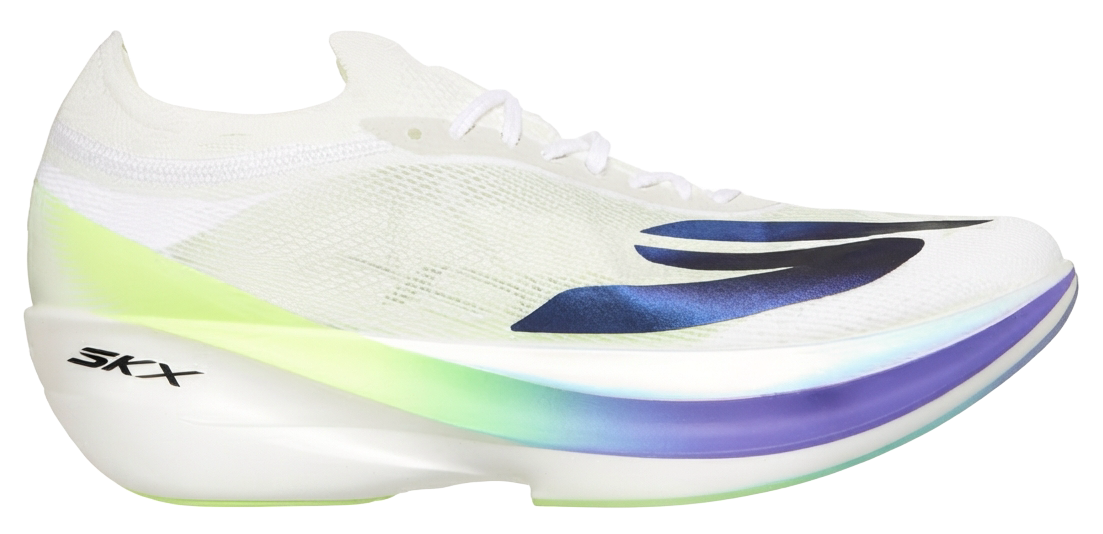
The Skechers Aero Elite is a lightweight, bouncy racer that feels equally at home during intervals and marathon-pace efforts.
Key specifications of Aero Elite
| Specification | Detail |
|---|---|
| Men's weight | 167g / 5.9oz in US 9 |
| Women's weight | 142g / 5.0oz in US 7 |
| Stack height | 40mm heel and 36mm forefoot |
| Drop | 4mm |
| Midsole | HYPER BURST PRO supercritical foam |
| Plate | Full-length carbon-infused Quantum Plate |
| Upper | Woven jacquard with FitKnit tongue |
| Outsole | Lite Grip TPU |
| Retail price | $225 USD / $340 CAD |
Where the Aero Elite fits in the lineup
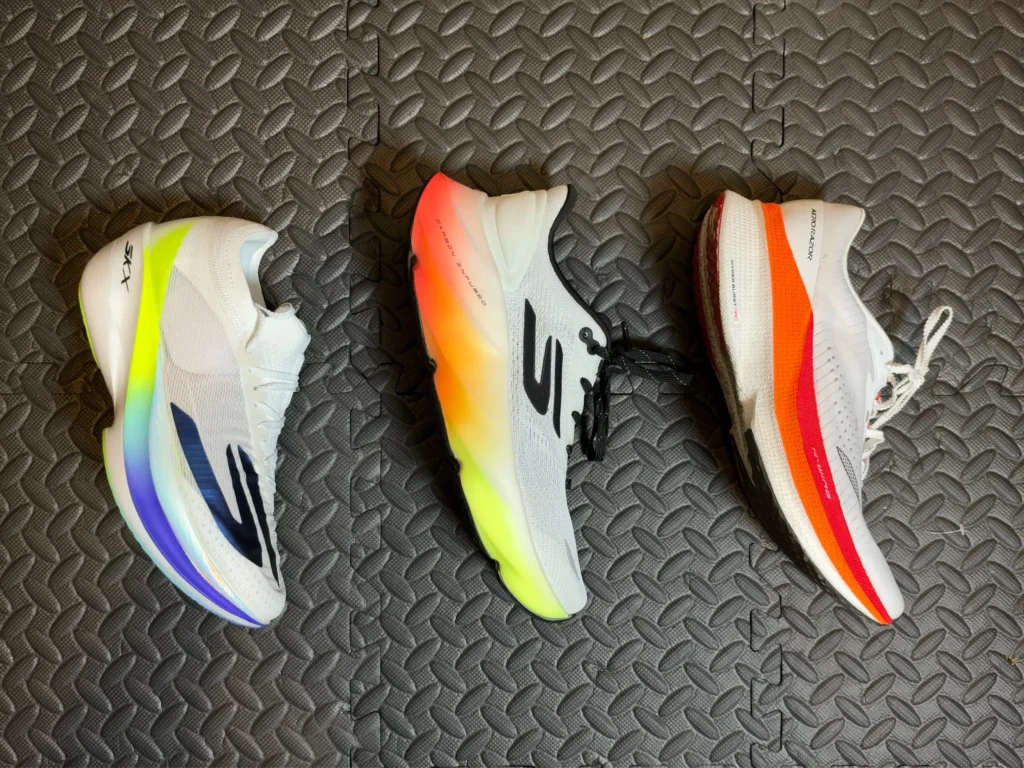
The Aero Elite is the dedicated racing model in Skechers’ AERO range, designed for road distances from 5K to the marathon. The Aero Burst and Aero Spark cover everyday training, while the Aero Razor sits closer to faster workouts. The Elite is the pair aimed at race day.
For my rotation, its role is clear: interval sessions, sustained race-pace work and potentially competition. Those training sessions are also where I want to get familiar with a racing shoe before deciding whether to trust it over a longer distance.
Upper and fit
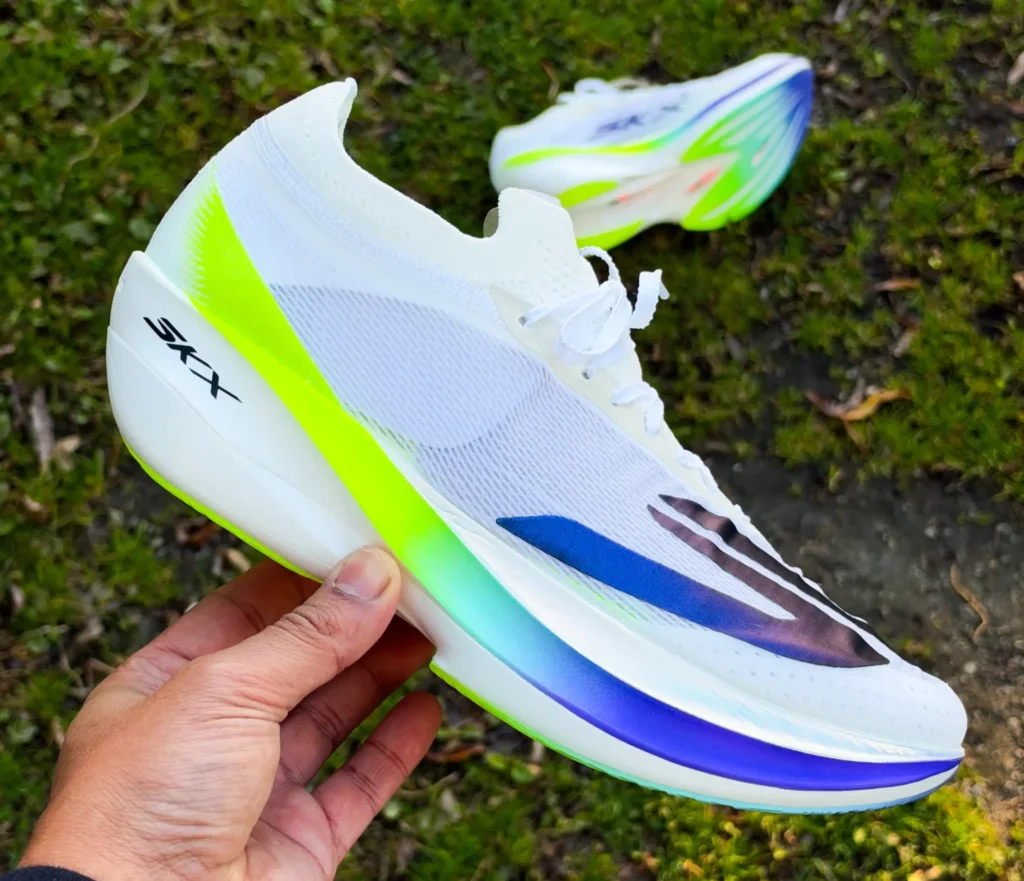
The Aero Elite fits true to size for me in a men’s US 9. The hold through the midfoot is close, and the toe box is relatively low in volume. It feels like a racing fit, with the upper sitting near the foot rather than leaving much spare space.
That snugness worked well during faster running. I felt securely held through the middle of the shoe without needing to compensate by pulling the laces excessively tight. However, it is also the part of the fit I would pay closest attention to if you have a broader or higher-volume foot.
Skechers pairs the woven upper with a FitKnit tongue. The tongue provides some stretch across the top of the foot, while the surrounding material gives the shoe its structure.
I would start with your normal running size. Check the space above your toes as carefully as the length in front of them. A shoe can have enough toe clearance and still feel restrictive because of its volume.
There is also no extra top eyelet for a conventional runner’s knot. If you regularly rely on heel-lock lacing, check that the standard lacing gives you the hold you need.
Midsole and cushioning
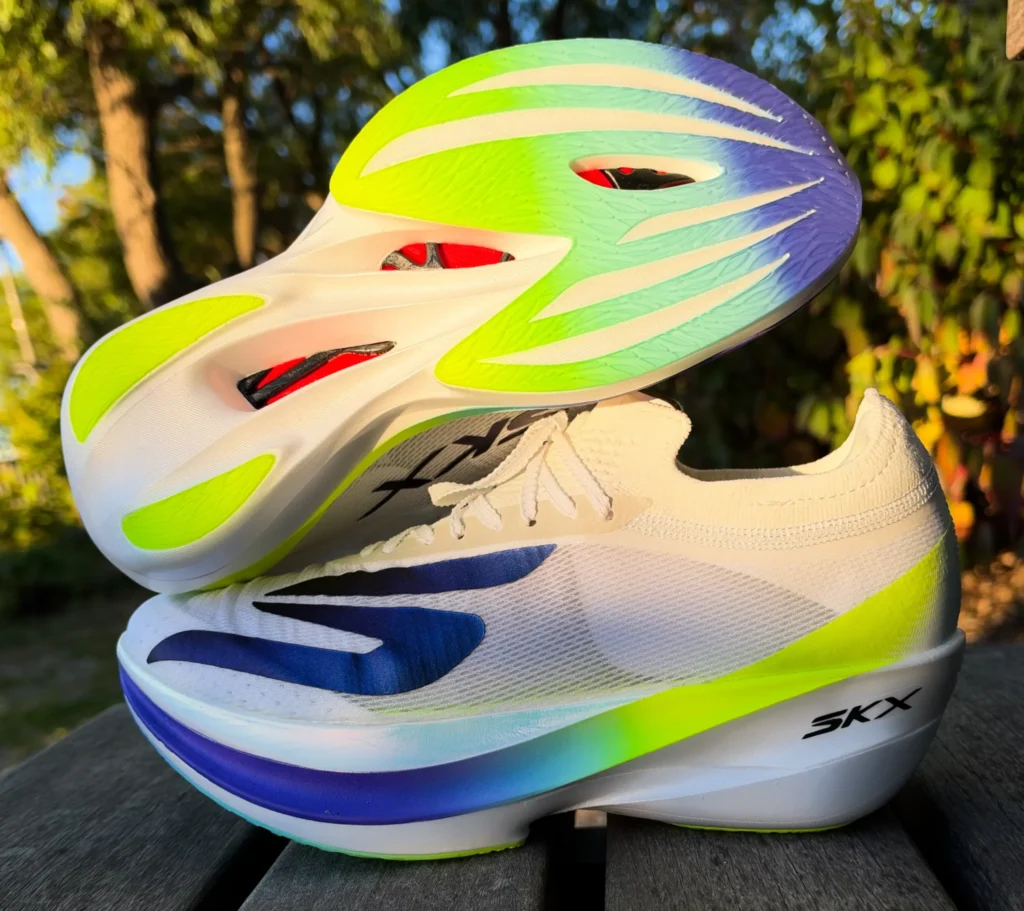
The midsole uses HYPER BURST PRO supercritical foam, with an additional 3.5mm HYPER BURST PRO sockliner beneath the foot.
On my runs, the cushioning felt soft and bouncy, with enough resistance to stop it becoming mushy. There is a noticeable compression under load, followed by a lively response as you move forward.
That balance is what I enjoyed most. Softness alone does not tell me much about whether I will like a racing shoe. I want the cushioning to absorb the landing without leaving me feeling as though I have to climb back out of it on every stride. The Aero Elite gave me that cushioning while retaining a responsive feel.
During marathon-pace efforts, the midsole remained comfortable as I settled into a rhythm. During intervals, it felt lively when I increased the effort. The character was consistent across those sessions, even though the demands were different.
Quantum Plate and transition
The Aero Elite uses a full-length carbon-infused Quantum Plate with a curved, spoon-shaped profile. Skechers combines this with its HYPER ARC transition geometry.
What stood out to me was the small amount of give through the forefoot. There is structure underfoot, but the transition did not feel excessively rigid or forced.
I could move through my stride without feeling that I had to adapt significantly to the shoe. The rolling sensation was present, although it was not so pronounced that it dominated the ride.
That will be a matter of preference. I enjoyed the freedom through the forefoot. If you prefer a racer with a very obvious rocker that rolls you decisively onto your toes, the Aero Elite may feel less assertive than you want.
How it performs during intervals
The low weight was particularly noticeable during interval sessions. The shoe felt light on foot, and the midsole responded well when I picked up the pace.
I liked that the faster running did not come with an overly harsh feeling under the forefoot. The cushioning and plated structure worked together without making each landing feel abrupt.
The Aero Elite also felt natural enough that I could concentrate on the session itself. I was not spending the repetitions trying to work out how to load the shoe or adjust my stride to get along with it.
Based on these workouts, I would keep it in consideration for shorter road racing. I still want race experience before deciding which distance suits it best for me, but the interval sessions have been encouraging.
How it performs at marathon pace
Marathon-pace work was another positive part of testing. Once I settled into the effort, the Aero Elite felt smooth and comfortable through each stride.
For this type of session, I care less about how exciting a shoe feels during the first acceleration and more about whether the ride stays easy to work with. I want to find my rhythm without constantly noticing the shoe beneath me.
The Aero Elite did that well. The cushioning provided a comfortable platform, while the transition felt fluid enough to support sustained running.
That makes it a promising marathon option, but I would stop short of calling it my marathon choice after 35km of total testing. A sustained pace session and the final stages of a marathon are different tests. I still need to establish how the fit, stability and forefoot transition feel deep into a longer run.
Stability and cornering
I felt more comfortable running straight than taking sharp turns at speed.
On uninterrupted stretches, I could settle into my stride and make the most of the smooth ride. Tight corners required more attention, especially when carrying speed into the turn.
The close upper fit helped hold my foot, but a secure upper and a stable platform are not the same thing. The Aero Elite still feels like a neutral racing shoe, and I would take time to assess it on bends and turnarounds before choosing it for a course with frequent changes of direction.
For my testing so far, straight stretches have shown the shoe at its best.
Outsole
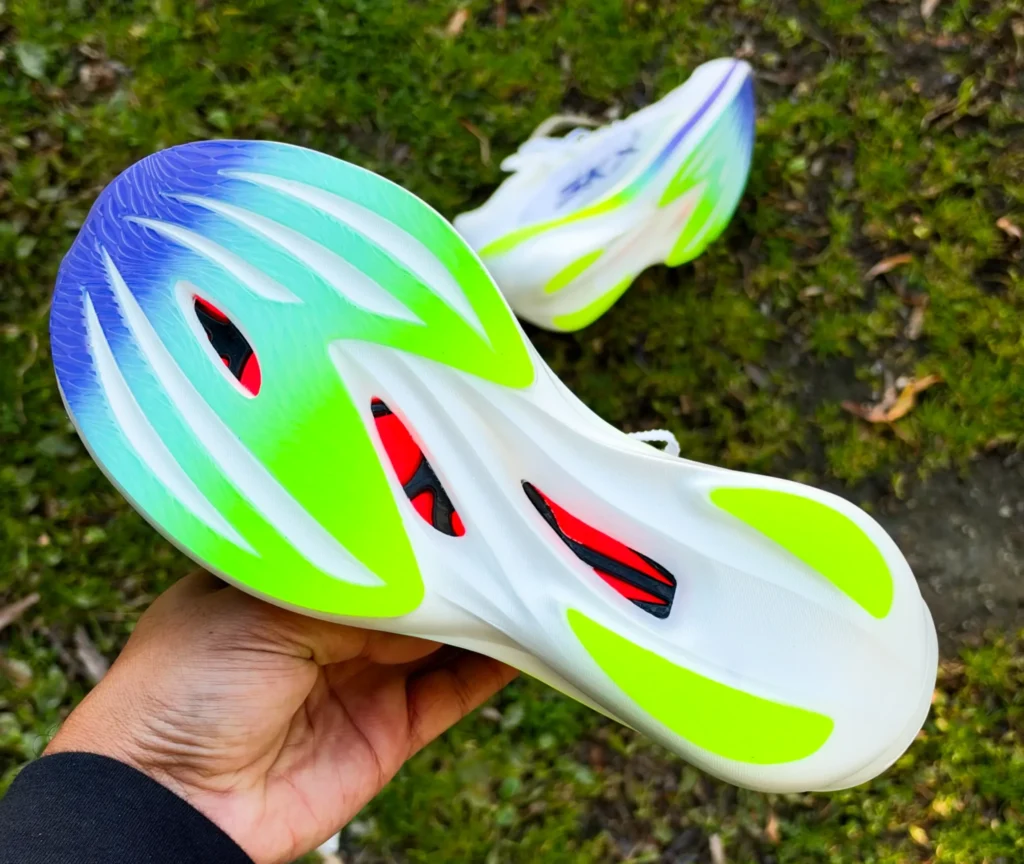
Skechers uses Lite Grip TPU for the outsole, keeping the construction focused on low weight.
I would keep the grip assessment separate from the overall ride verdict at this stage. My interval and marathon-pace sessions have helped establish how the shoe feels, but I do not yet have enough testing across different surfaces and weather conditions to make a broad claim about traction.
Wet roads, painted markings and sharp turns in the rain deserve their own assessment. I would want that experience before recommending it specifically for a wet race.
Durability after approximately 35km
At this mileage, it is too early to give a meaningful lifespan estimate.
The questions I will continue tracking are whether the foam retains its response, how the outsole wears at my landing points, and whether the upper maintains the same secure hold.
For now, this is an initial performance review. I would rather update it with actual wear observations than attach a kilometre figure that the testing cannot support.
Is the Skechers Aero Elite worth considering?
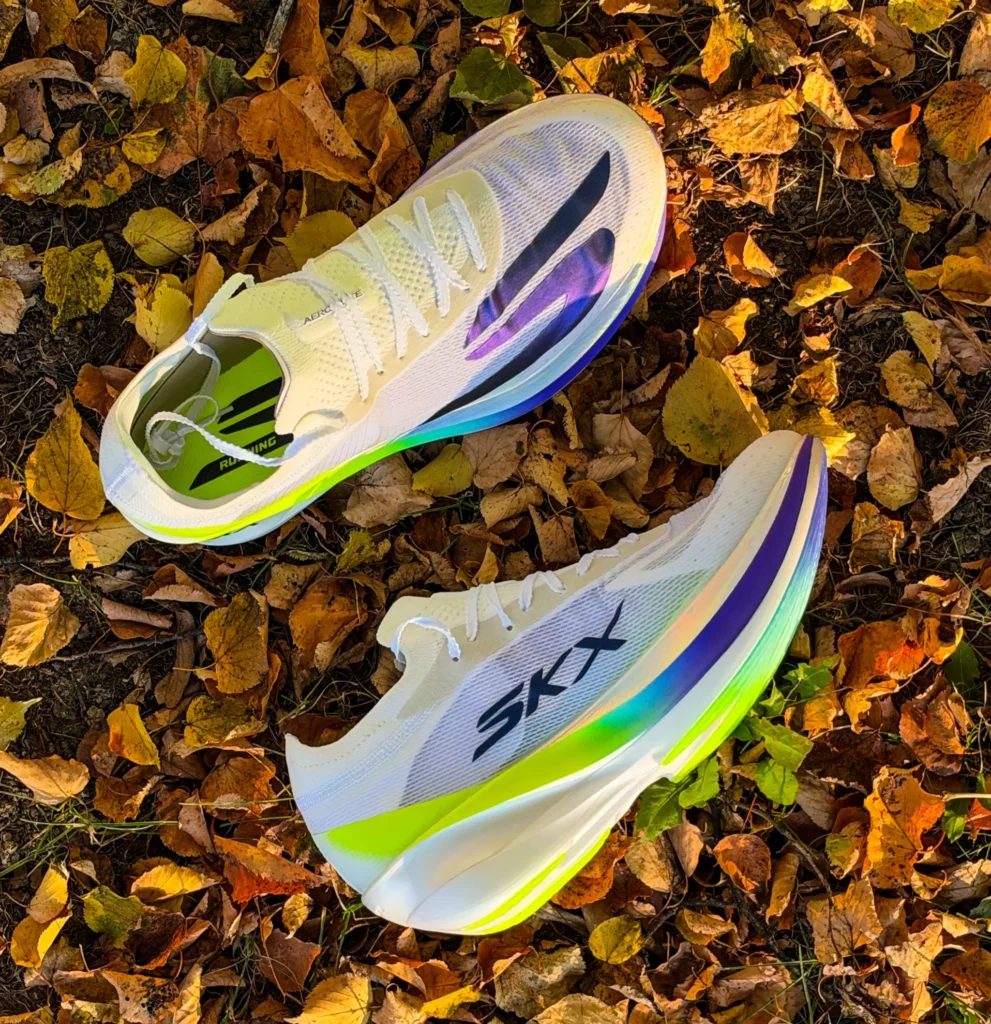
At $225 US, the Aero Elite is still a substantial purchase. Its value depends on whether the fit and ride work for you and how much use you will get from a dedicated racing shoe.
For me, the encouraging part is that it has already worked well in two useful settings: intervals and marathon-pace efforts. It has a clear place in race preparation, giving me opportunities to get familiar with it before competition.
I would put it on your shortlist if you enjoy a close fit, responsive cushioning and a forefoot transition with some give. I would be more cautious if you need generous midfoot space, substantial stability or a particularly forceful rocker.
Final verdict
After approximately 35km, the Skechers Aero Elite has made a positive impression. The light feel is immediately appealing, but the cushioning and natural transition are what have kept me interested.
It has been lively during intervals and comfortable when settling into marathon pace. The snug fit works for my foot, although it will not suit everyone, and sharp cornering has felt less assured than straight-line running.
I still have more to learn about its long-run comfort, wet-weather grip and durability. Based on the sessions completed so far, though, this is a shoe I want to keep reaching for when there is faster work on the schedule.
Frequently asked questions
Does the Skechers Aero Elite fit true to size?
It fits true to size for me in a men’s US 9. The midfoot is snug and the toe box has relatively low volume, so width and foot shape matter as much as length.
Does the Skechers Aero Elite have a carbon plate?
It uses a full-length carbon-infused Quantum Plate. That is the manufacturer’s specific description of the construction.
Is the Skechers Aero Elite good for marathon running?
It is designed for racing through the marathon distance. My marathon-pace sessions have been encouraging, but I need longer testing before giving a personal full-marathon recommendation.
Can you use it for interval training?
Yes. Intervals have been a positive part of my testing. It feels light on foot and responds well when picking up the pace, with enough cushioning to avoid an overly harsh ride.

Prateek is the founder of Athletico, a Toronto-based running community of over 90,000+ running enthusiasts. A lifelong running gear nerd, Prateek has been testing and reviewing running shoes since 2021, with a focus on honest, real-world performance rather than marketing hype.
With 20+ 10K races, four half marathons, and 2 full marathons, Prateek brings both experience and curiosity to every review. From daily trainers to race-day shoes, each product is tested on the road, track, and long runs because the best insights come from miles, not spec sheets.
Through in-depth reviews and practical buying guides, Prateek helps runners make smarter choices about their gear, train with confidence, and enjoy the process of running a little more.