

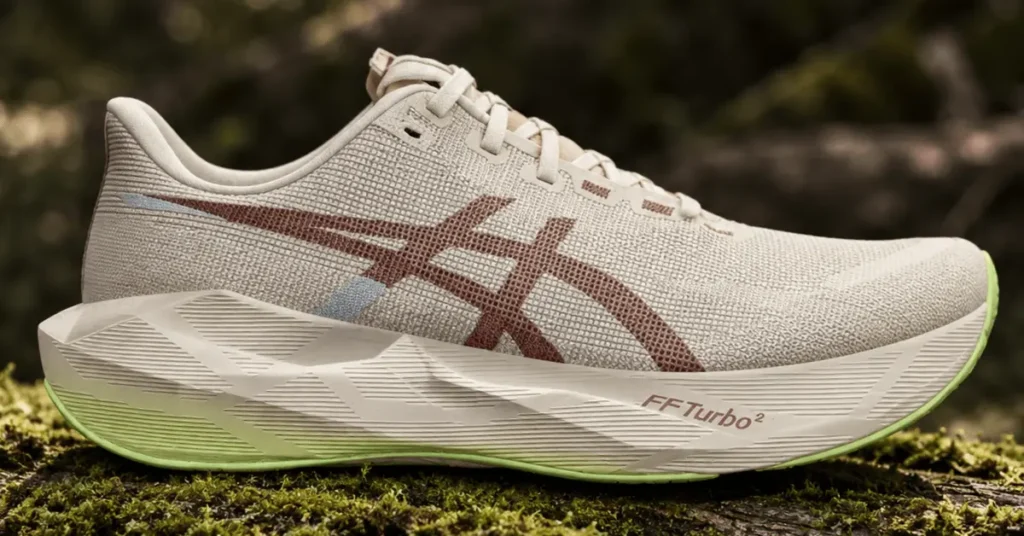
The Novablast has always sold itself on one word: bounce. For five generations it was the shoe you reached for when you wanted a daily trainer that felt fun rather than sensible. It was also, if we are being honest, a shoe that promised more pop than it actually delivered. The marketing said trampoline. The ride said comfortable foam.
The Asics Novablast 6 is the first version where the marketing and the ride finally agree, and it happens because of one small piece of foam under the forefoot.
On paper this looks like a minor update. Same 41.5mm/33.5mm stack. Same 8mm drop. Roughly the same weight. A $5 price bump. Spend a week running in it and the difference is obvious from the first toe-off. ASICS took the FF Turbo Squared foam from its more expensive Blast-line shoes, cut it into a wedge, and dropped it into the front of the midsole. That single change reshapes how the shoe rolls, how fast it feels, and who it suits.
It also introduces the one real trade-off in this shoe, which is worth understanding before you buy.
- Better Energy Return
- Improved upper lockdown
- Great wet-weather traction
- Less stable than Novablast 5
- Not ideal for intervals
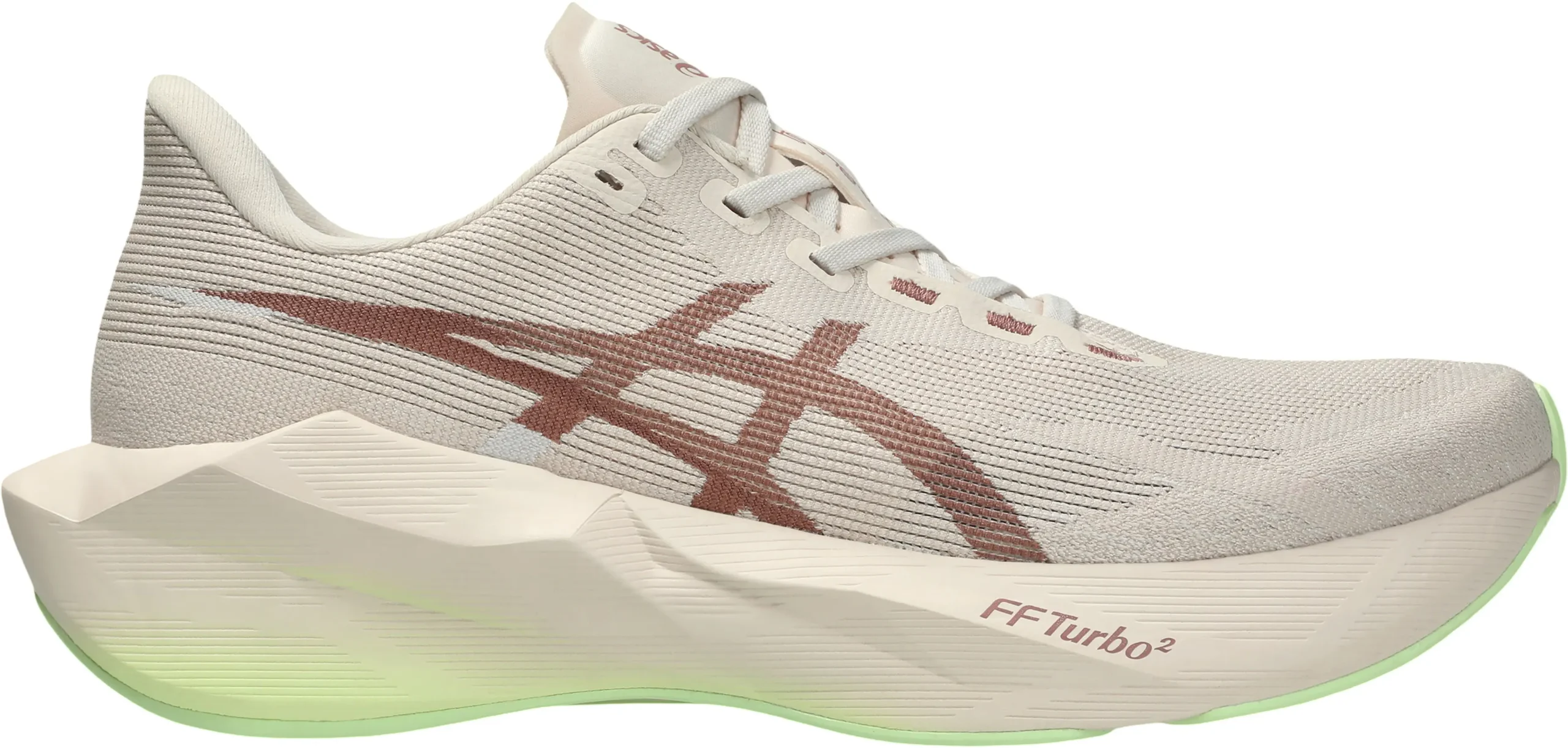
The ASICS Novablast 6 is a versatile, highly cushioned neutral daily trainer that combines soft FF Blast Max foam with a responsive FF Turbo Squared forefoot for more bounce and energy at toe-off.
Quick Verdict
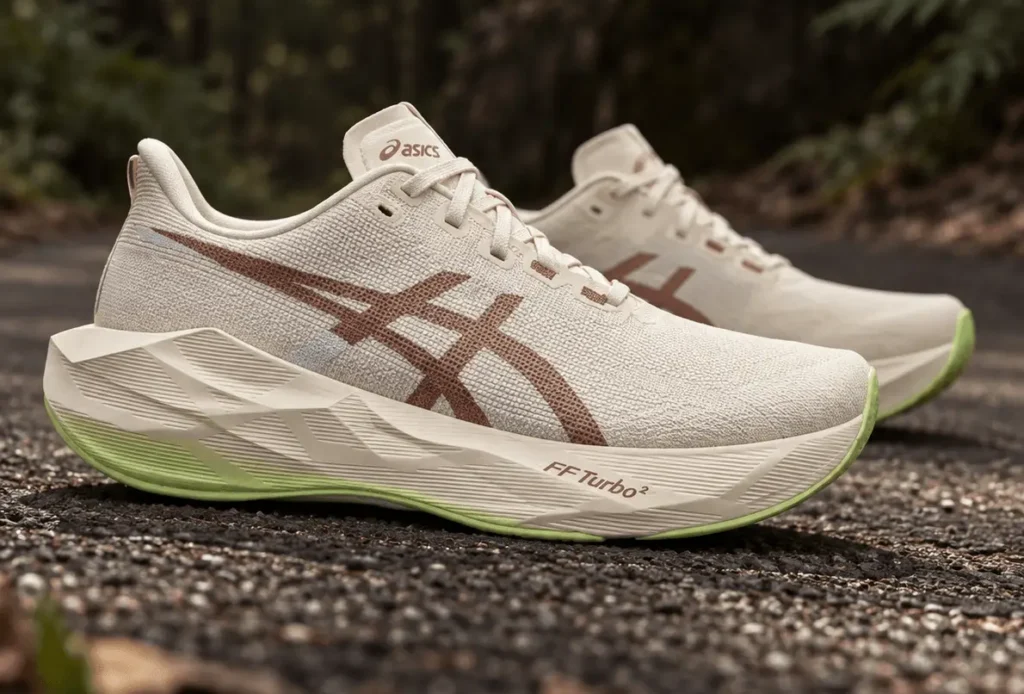
The Novablast 6 is the most versatile daily trainer ASICS has made at this price. It is soft enough for recovery miles, lively enough for a tempo run, and durable enough that you will not feel cheated at $155. The new forefoot insert gives it a genuine snap at toe-off that previous versions lacked, and the outsole change finally fixes the wet-weather grip problem that dogged earlier Novablasts.
The caveat is the heel. The rearfoot foam is soft and compliant but not especially springy, and the aggressive heel bevel drops you into the forefoot quickly. If you are a distinct heel striker, the transition can feel abrupt rather than smooth. Midfoot and forefoot runners get the best of this shoe.
Buy it if: you want one shoe that covers 80 percent of your training week and you like a soft, bouncy ride with real forefoot pop.
Skip it if: you are a heavy heel striker who wants a plush, gradual rollthrough, or you need a stable platform.
Asics Novablast 6 Key Specifications
Full specification sheet
| Spec | Detail |
|---|---|
| Price | $155 USD / $190 CAD / £140 |
| Release | July 2026 |
| Weight (men's US 9) | 8.8 oz / 249g |
| Weight (women's US 8) | 7.6 oz / 215g |
| Stack height (men's) | 41.5mm heel / 33.5mm forefoot |
| Stack height (women's) | 40.5mm heel / 32.5mm forefoot |
| Drop | 8mm |
| Midsole | FF Blast Max with FF Turbo Squared forefoot insert |
| Outsole | ASICSGRIP forefoot, AHAR LO heel |
| Upper | Engineered woven mesh, gusseted tongue |
| Platform width | 85mm heel / 73mm midfoot / 115mm forefoot |
| Category | Neutral daily trainer |
| Widths | Standard and wide |
What Changed From the Novablast 5
Five things, and only one of them is cosmetic.
1. A second foam in the forefoot. This is the headline. The Novablast 5 used FF Blast Max throughout. The Novablast 6 keeps FF Blast Max as the main midsole but adds a wedge of FF Turbo Squared, an A-TPU foam, under the forefoot. It is shaped as a gradient, thickest under the ball of the foot and tapering back, which is what creates the trampoline effect ASICS keeps talking about. This time you can actually feel it.
2. A new outsole compound. The Novablast 5 used AHAR LO across the whole outsole and was mediocre on wet pavement. The Novablast 6 puts ASICSGRIP under the forefoot where you need traction and keeps AHAR LO under the heel where you need abrasion resistance. Central coverage is reduced, partly to save weight and partly to let the forefoot insert flex.
3. A woven upper instead of jacquard mesh. Thinner, denser, and more structured. It solves the bunching some runners experienced across the midfoot in the previous version and looks considerably more like a lifestyle sneaker.
4. More collar and Achilles padding. The heel collar and tongue are noticeably plusher. This is comfortable, but it also eats interior volume, which matters for sizing.
5. Reshaped midsole geometry and a narrower forefoot platform. The sidewalls are more angular, the heel bevel is more aggressive, and the forefoot platform is roughly 7mm narrower than the Novablast 5. This makes the shoe feel more agile and quicker to transition. It also makes it slightly less stable.
The heel pull tab from the Novablast 5 is gone. Minor, but if you relied on it, it is worth knowing.
Fit and Sizing
Recommendation: go true to size, with one caveat.
The Novablast 6 fits like a standard ASICS running shoe through the midfoot and forefoot. The toe box is accommodating without being sloppy, measuring around 71mm at its widest point, which sits comfortably in the middle of the daily trainer field. There is enough room for toe splay on long runs without the foot sliding around at pace.
The caveat is the heel. That extra collar padding compresses the interior slightly, and depending on your foot shape it can make the shoe feel a touch short. Some runners report needing to size up half a size. Others find the opposite and size down. Both experiences are real, and both come from the same source: heel padding that pushes your foot forward and eats a few millimetres of usable length.
Practical advice:
- Standard foot, normal instep: true to size.
- Low instep or narrow heel: true to size, but lace loosely through the first two eyelets. The hidden lower eyelets can pull down hard across the top of the foot.
- High volume foot: consider the wide. Overall interior volume in the Novablast 6 is lower than the Novablast 5, particularly through the forefoot.
- Between sizes: go up. The forefoot has enough width to handle a slightly loose fit better than the heel handles a tight one.
The gusseted tongue is thin but well padded at the top where the laces cross, so lace pressure is not an issue even when you cinch it down. Midfoot lockdown is a clear improvement on the previous version.
Upper
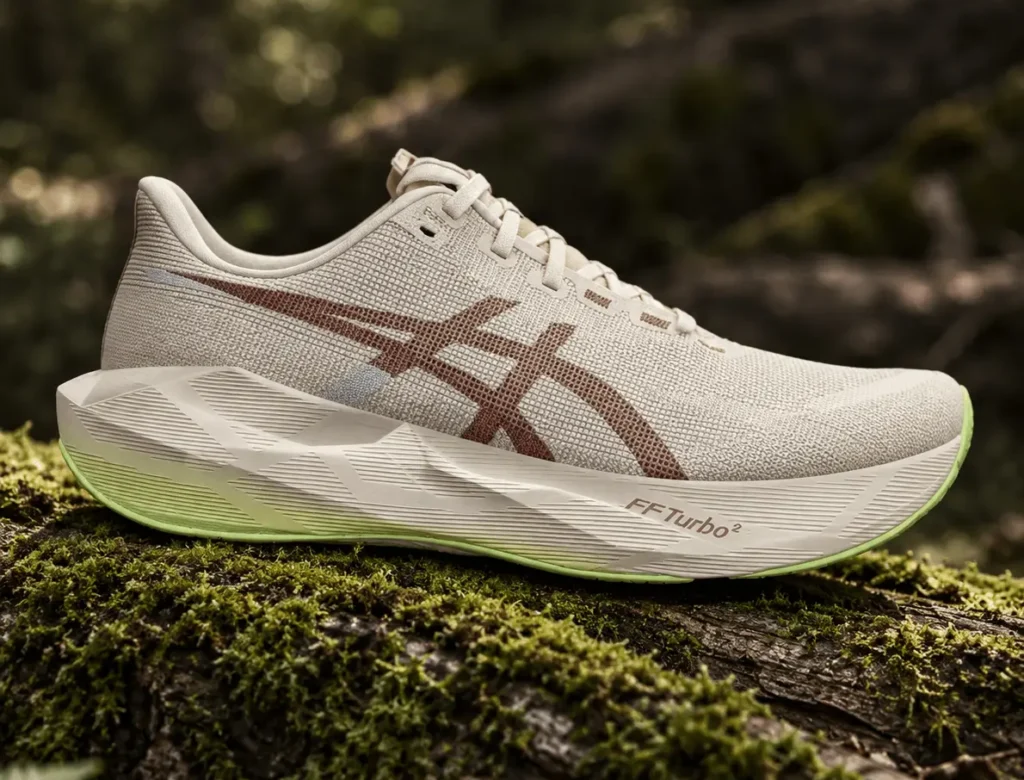
The woven mesh is the quiet upgrade in this shoe. It is thinner than the jacquard it replaces but feels considerably more durable, and it holds its shape better through the midfoot rather than creasing and bunching.
Breathability is good rather than exceptional. The forefoot vents well and dries reasonably quickly. The heel collar is where the padding piles up, and on warmer runs you will notice heat building around the ankle. This is the price of the plusher collar and it is a fair trade for most runners, but if you train in genuine heat it is worth factoring in.
The heel counter is internal and mildly flexible, well padded on both sides of the Achilles. It holds the foot securely without the rigid, pinching feel some daily trainers have.
Aesthetically, the upper is clean and understated to the point of being forgettable, which is either a virtue or a disappointment depending on what you want from the shoe. The midsole is doing all the visual talking. The upper is deliberately plain so the shoe works as an everyday sneaker as well as a trainer, and on that count it succeeds.
The Midsole: How the Two-Foam Setup Actually Works
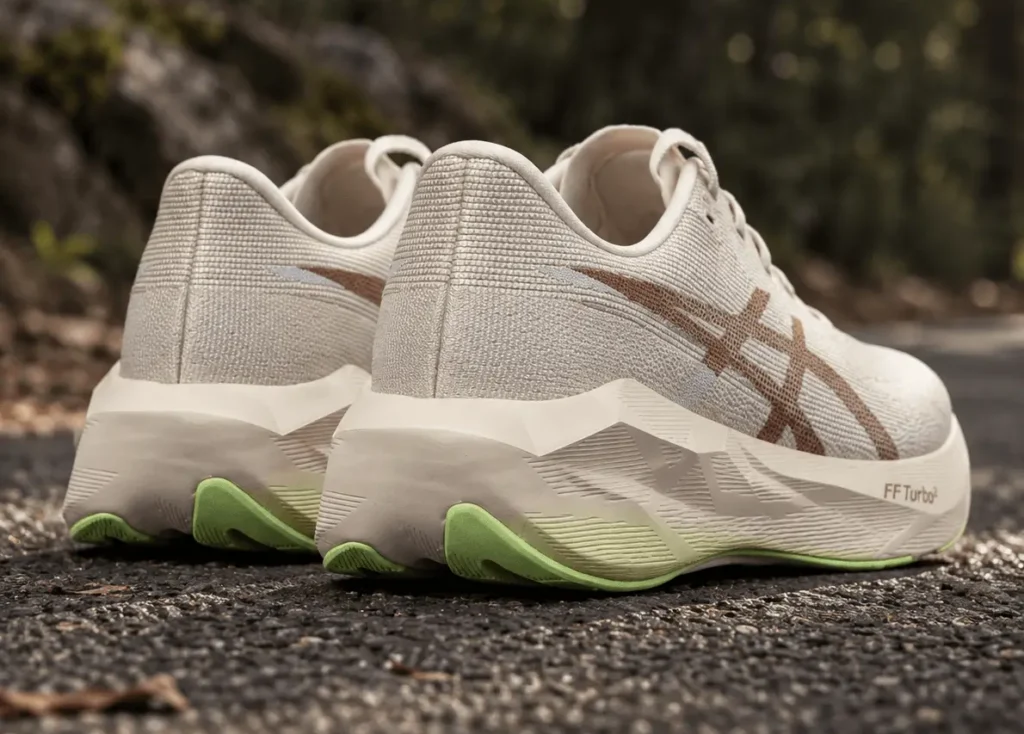
This is the section that matters, because the midsole is the entire reason to buy this shoe over any other trainer in the $150 to $160 bracket.
FF Blast Max is a nitrogen-infused EVA-based foam. It is light, soft, and comfortable, and it has always been the Novablast’s defining characteristic. It absorbs impact well. What it does not do especially well is return energy. Independent testing puts heel energy return in the mid-50 percent range, which is respectable for a daily trainer but nowhere near what a supercritical race foam gives you.
FF Turbo Squared is a different animal. It is an A-TPU foam, the same family ASICS uses in its more expensive performance shoes, and it is both softer and considerably more resilient. In the Novablast 6 forefoot, energy return measures close to 70 percent. That is a meaningful gap, and it is exactly why the shoe feels so different at toe-off than the Novablast 5 did.
The result is a midsole with two distinct personalities:
The heel is soft, compliant and forgiving. It absorbs landings well. It does not spring back at you. Landing on the heel feels a little like landing in a cushion rather than on a trampoline.
The forefoot is where the shoe wakes up. There is a genuine, noticeable pop at toe-off. It is not the violent snap of a plated racer, and it is less dramatic than in ASICS’ higher-stack Blast shoes, but it is real and it changes how the shoe feels the moment you push off.
The two sections are joined by an aggressive heel bevel and reshaped sidewalls, which speed up the transition from landing to toe-off. If you land midfoot or forefoot, this is fantastic. The shoe loads the resilient foam directly and gives it straight back.
If you land firmly on the heel, the experience is different. The soft heel compresses, the bevel drops you forward quickly, and you arrive at the forefoot faster than you might expect. Some runners describe this as a smooth rollthrough. Others describe it as being slapped down into the front of the shoe. Where you land on that spectrum depends almost entirely on your footstrike and your weight.
There is a biomechanical point worth making here. A very aggressive bevel accelerates the movement from heel contact to foot flat, which means the muscles at the front of the shin work harder and faster to control it. For most runners this is a non-issue. If you are prone to shin splints or anterior tibialis soreness, ease into this shoe rather than putting a long run in it on day one.
The Outsole and Grip
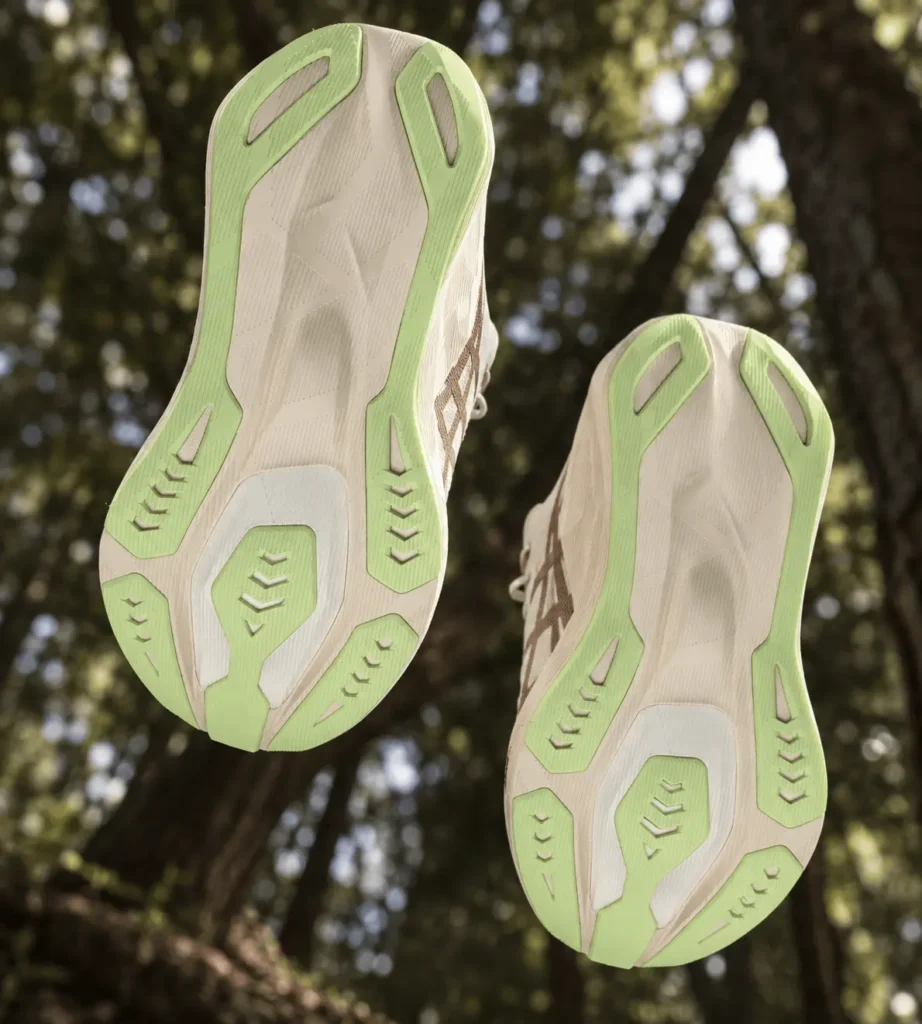
The grip complaint is fixed.
The Novablast 5 was slippery on wet pavement and painted road markings, and it was one of the most consistent criticisms of the shoe. The Novablast 6 replaces the forefoot rubber with ASICSGRIP, a softer and tackier compound, and the difference is immediately apparent on wet roads. Lab traction testing puts the coefficient at 0.76, which is at the strong end of the daily trainer category.
AHAR LO stays under the heel, where durability matters more than tack. This is a sensible split rather than a cost-saving one.
Coverage is reduced through the centre of the outsole, which serves two purposes. It saves weight and it lets the forefoot insert flex and compress more freely. The exposed foam is well positioned in low-wear areas, so this is unlikely to become a durability problem.
Two practical notes from real-world running. The softer rubber picks up fewer stones than the previous version, which was a genuine annoyance. And the shoe is moderately loud on hard surfaces, particularly on the heel strike. Not disruptive, but you will hear it.
The Ride: How It Performs at Each Pace
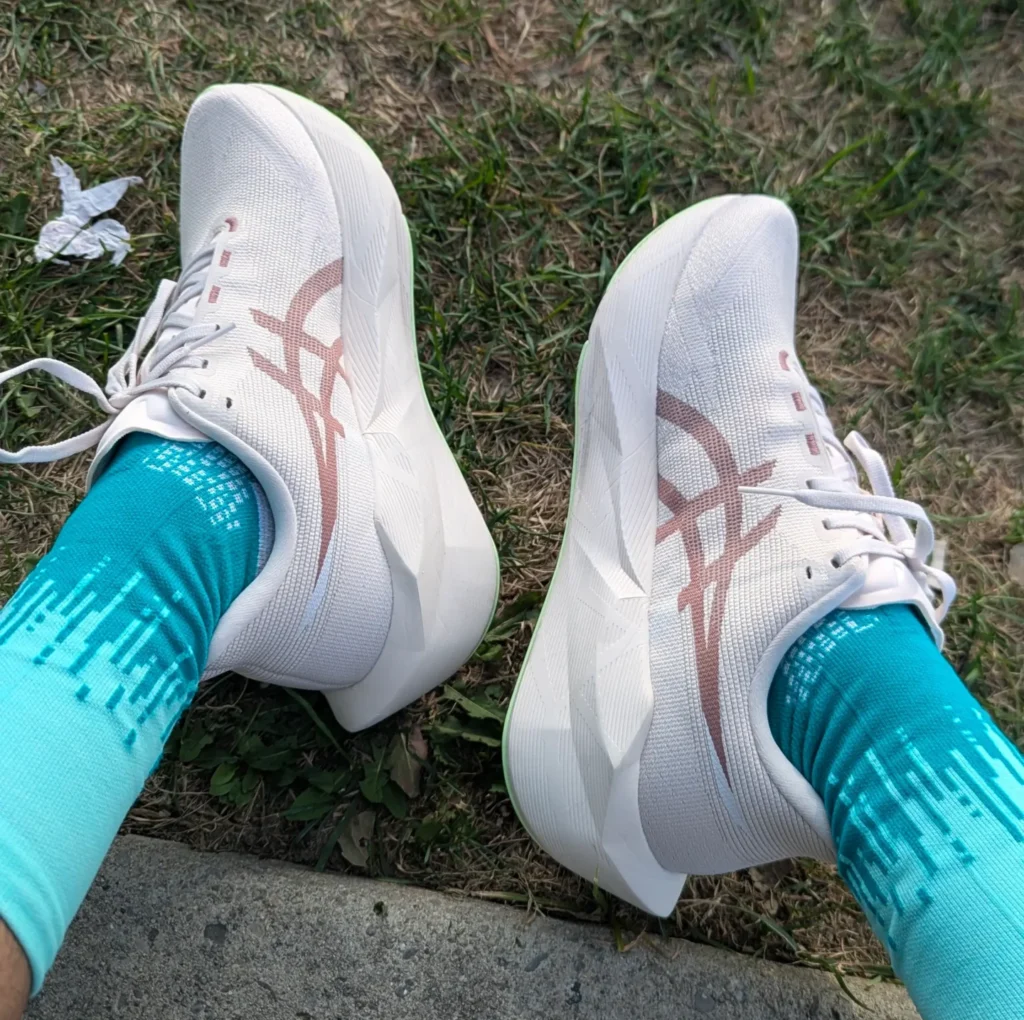
This is where a daily trainer earns or loses its money, so it is worth breaking down by effort.
Easy and recovery runs. Comfortable and forgiving. The soft heel does its job and the high stack takes the sting out of pavement. There is a nuance here worth flagging: if you are a lighter runner, you may not compress the FF Blast Max enough at slow paces to get much back from it, and the shoe can feel a bit dull and mushy. Heavier runners load the foam properly and get a more satisfying ride at easy effort. This is the opposite of how most soft trainers behave, and it is a direct consequence of how much foam is under you.
Long runs. This is arguably the shoe’s best use case. The cushioning holds up over distance, the forefoot pop keeps you engaged when your form starts to go, and the improved midfoot lockdown means no hot spots at hour two. The added collar padding is genuinely appreciated late in a long run. Marathon-capable is not a stretch for this shoe, particularly for runners in the three-and-a-half hour and slower range.
Steady and moderate efforts. The sweet spot. Pick the pace up to a comfortably hard effort and the forefoot insert starts working properly. The shoe feels lighter than its stack suggests and the transition sharpens noticeably.
Tempo and threshold. Genuinely capable, which was not true of previous Novablasts. The forefoot gives you enough return that a 20-minute threshold effort or a set of long tempo intervals feels appropriate rather than compromised. It is not a dedicated tempo shoe, but it means you do not need one to get through a normal training week.
Intervals and race pace. This is the limit. The stack is too high, the heel is too soft, and there is no plate to hold everything together when you are turning over quickly. For anything shorter than a 5K effort, you will want something firmer and lighter. Fast strides at the end of an easy run are fine. A track session is not what this shoe is for.
Stability and Platform
The Novablast 6 is a neutral shoe and should be treated as one, but it has a more interesting stability story than most.
The base is wide at the heel and midfoot, with angular sidewalls that cradle the foot and provide passive guidance. That helps. Working against it, the forefoot platform is roughly 7mm narrower than the Novablast 5, which makes the shoe more agile but reduces the stable base under toe-off.
There are also two opposing biases built into the geometry. The rearfoot has a lateral bias from the heel bevel and flare. The forefoot has a medial bias. In practice these largely cancel each other out, which is why the shoe reads as neutral overall despite having quite a lot going on underfoot.
The honest summary: the Novablast 6 is slightly less stable than the Novablast 5. For most neutral runners this will not register. If you have a history of ankle instability, or you know you need a wide, planted platform, this is not the shoe. If you want cushioning with some inherent guidance, the sidewalls do more work than the spec sheet suggests.
Durability
Early signs are good, and better than the category average.
The ASICSGRIP forefoot shows minimal wear after several weeks of mixed-surface running, and lab abrasion testing measures around 0.5mm of loss under standardised conditions, which is excellent. The woven upper is more abrasion-resistant than the jacquard it replaced.
The open question is the midsole. FF Blast Max is light and soft, and light soft foams historically compress faster than firmer ones. There is no evidence yet of premature breakdown, but if you are the kind of runner who puts 500 miles into a trainer, expect the bounce to fade before the outsole does.
A realistic expectation is 350 to 450 miles of quality running, with the shoe remaining wearable well beyond that.
Should You Upgrade From Novablast 5?
If you run mostly easy miles and you were happy with the Novablast 5, the upgrade is nice-to-have rather than essential. The improvement you will notice most is the wet-weather grip.
If you ever pick the pace up, the upgrade is worth it. The forefoot insert changes the character of the shoe at moderate and hard efforts, and it turns a comfortable trainer into a versatile one. That is a real gain for a $5 price increase.
If you are a heel striker who liked how planted the Novablast 5 felt, try before you buy. The narrower forefoot and more aggressive bevel are not universally welcome changes.
The Verdict
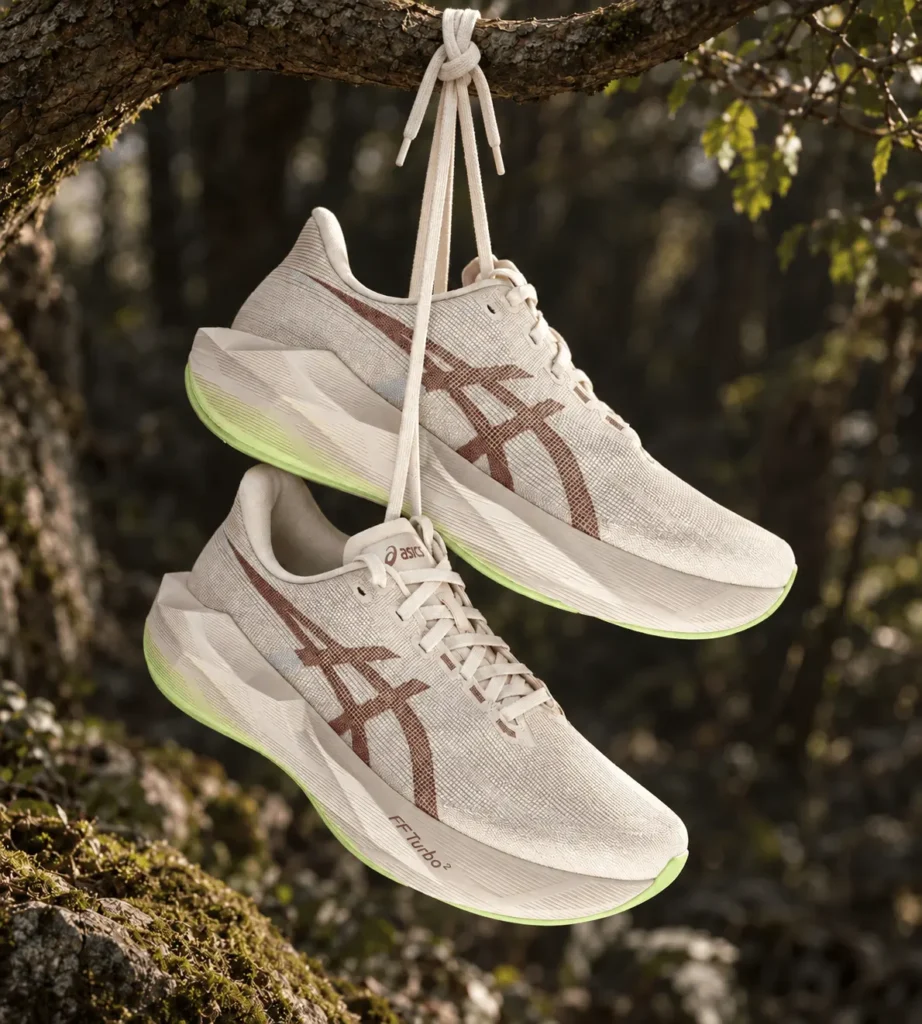
The Novablast 6 is the version where the shoe finally does what it has always claimed to do. The forefoot insert is a small, cheap-sounding change that turns out to be the most consequential thing ASICS has done to this model in years, and the outsole update quietly fixes the shoe’s most persistent flaw.
It is not perfect. The heel is the weak half of the midsole, the bevel is more aggressive than most runners need, and the shoe gave up a little stability in exchange for agility. Heel strikers should try it on before committing.
But as a single shoe to cover most of a training week, at $155, it is one of the strongest options on the market. Easy runs, long runs, steady efforts and tempo work all sit comfortably within its range, and it is durable enough to justify the outlay. If you want something with a more aggressive, performance-focused ride, the ASICS Sonicblast 2 is worth considering, but for the runner who wants one trainer rather than a rotation, the Novablast 6 is an easy recommendation.
Frequently Asked Questions
Is the ASICS Novablast 6 true to size?
Yes for most runners. The one complication is the heavily padded heel collar, which can make the shoe feel slightly short. If you are between sizes, size up. If you have a low instep, keep the first two eyelets loose rather than sizing up.
Is the Novablast 6 good for long runs and marathons?
Yes. The 41.5mm stack and soft FF Blast Max handle long-distance cushioning well, and the forefoot insert keeps the ride engaging when fatigue sets in. It is a reasonable marathon shoe for runners who are not chasing a fast time, and an excellent long-run trainer for everyone.
Is the Novablast 6 a stability shoe?
No. It is a neutral trainer with some passive guidance from its wide heel and angular sidewalls. It is slightly less stable than the Novablast 5 because the forefoot platform is narrower. Runners who need genuine stability should look elsewhere.
Is the Novablast 6 good for heavier runners?
Generally yes, and arguably better than for very light runners. Heavier runners compress the FF Blast Max properly at easy paces and get more out of the midsole. The main caution is stability rather than cushioning.
Does the Novablast 6 come in a wide fit?
Yes, standard and wide widths are available. Interior volume is lower than the Novablast 5, particularly through the forefoot, so high-volume feet should consider the wide even if they wore standard in the previous version.

Prateek is the founder of Athletico, a Toronto-based running community of over 90,000+ running enthusiasts. A lifelong running gear nerd, Prateek has been testing and reviewing running shoes since 2021, with a focus on honest, real-world performance rather than marketing hype.
With 20+ 10K races, four half marathons, and 2 full marathons, Prateek brings both experience and curiosity to every review. From daily trainers to race-day shoes, each product is tested on the road, track, and long runs because the best insights come from miles, not spec sheets.
Through in-depth reviews and practical buying guides, Prateek helps runners make smarter choices about their gear, train with confidence, and enjoy the process of running a little more.